Wisdom Tooth Extraction With IV Sedation
If you’re researching wisdom tooth extraction, and especially sedation options, you’re already ahead of the curve. Wisdom teeth are one of the most commonly delayed procedures in dentistry, and waiting too long can lead to cysts, infections, jaw damage, and even full facial swelling.
But something most people don’t know is this: Where you choose to have your wisdom teeth removed matters just as much as whether you have them removed at all.
At ProSmile Dental Implant Center, wisdom tooth extraction isn’t treated as “just another dental procedure.” It’s a surgical experience handled exclusively by Board-Certified Oral & Maxillofacial Surgeons, supported by an in-house Dental Anesthesiologist, and completed in a center designed for complex surgery, not a routine dental clinic.
This guide will walk you step-by-step through:
- What IV sedation actually feels like
- What makes ProSmile different from a regular dentist’s office
- Why oral surgeons are the gold standard for wisdom teeth
- How we reduce the risk of complications like swelling and dry socket
- What your recovery will look like
- Real insights from ProSmile surgeons and our anesthesiologist
Let’s begin with the #1 question most patients have: Why does sedation/anesthesia matter for wisdom tooth extraction?
Why Sedation Matters for Wisdom Tooth Extraction
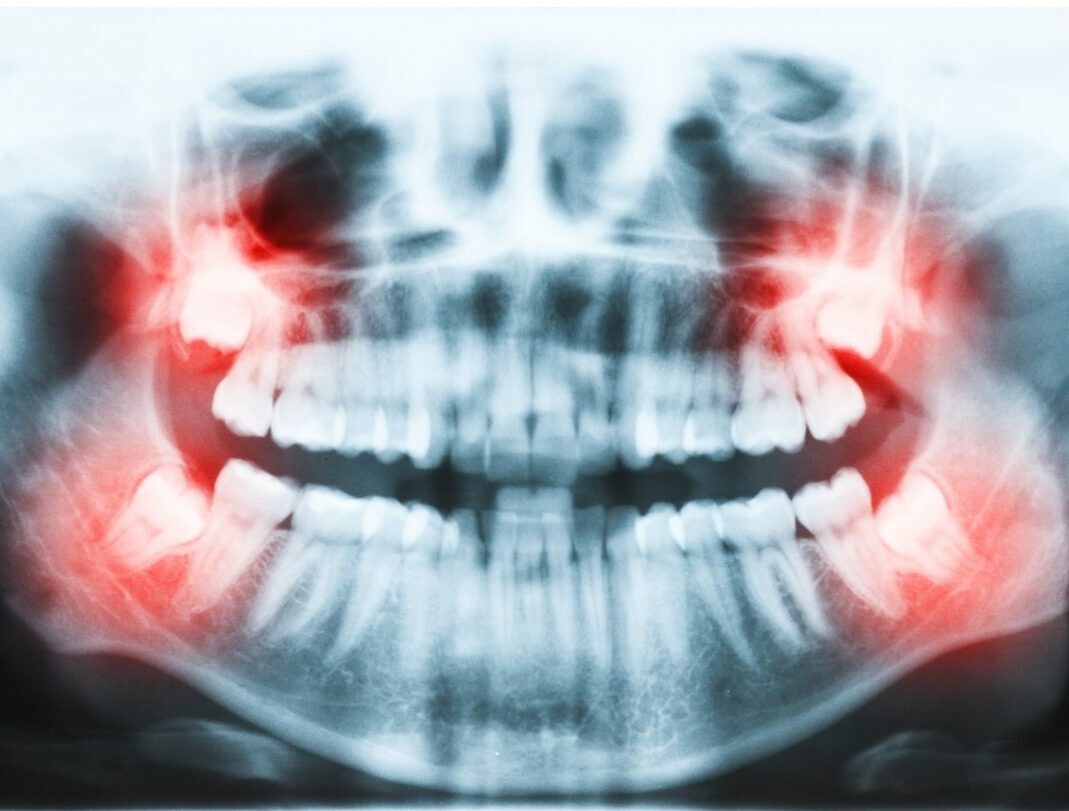
Wisdom teeth sit deep in the bone, often angled sideways, pressing into nerves or neighboring teeth. Removing them requires surgical precision, and complete patient comfort. That’s why most high-level surgical centers use IV sedation or general anesthesia, not just numbing injections.
At a regular dentist’s office:
- Sedation is usually limited to oral pills or nitrous oxide
- The dentist may not have surgical training
- Complex impactions may require referral
- Anesthesia is not tailored to your medical needs
At a Surgical Center like ProSmile:
- You’re sedated by a residency-trained Dental Anesthesiologist
- Your surgery is performed by a Board-Certified Oral Surgeon
- Anesthesia levels range from light sedation to full general anesthesia
- Your airway, breathing, and safety are continuously monitored
“Our anesthesia here at ProSmile ranges from light sedation to deep sedation and even general anesthesia. We offer you that service to alleviate fear, anxiety, and make it so you’re essentially not 'here' for the surgery.”
— Dr. Aaron Roberts, our in-house Dental Anesthesiologist
Oral Surgeon vs. General Dentist: Why It Matters for Wisdom Teeth
Most people assume all dentists can remove wisdom teeth, and technically, that’s true. But should they? According to Dr. Velangi:
“If I needed LASIK, I would only go to an ophthalmologist. The same way, with wisdom teeth, if you want it done right and with minimal complications, you should only go to an Oral Surgeon.”
Oral & Maxillofacial Surgeons complete:
- 4 years of dental school
- 4–6 additional years of hospital surgical residency
- Training in anesthesia, airway management, facial surgery, and medical emergencies
This is why Dr. Velangi says:
“We are Oral & Maxillofacial Surgeons who have gone through years of additional training to make this a risk-free and complication-free procedure.”
The ProSmile Advantage:
- Two full-time oral surgeons (Dr. Hosseini & Dr. Velangi)
- An in-house anesthesiologist (Dr. Roberts)
- Same-day or next-day complication coverage
- On-site advanced imaging
- An in-house lab for grafting materials and surgical planning
Surgical centers are built for complex cases; general dental offices are not.
Hidden Dangers of Not Removing Wisdom Teeth Early
Some wisdom teeth hurt, but most don’t. And that’s the danger. Dr. Velangi explains it perfectly:
“Wisdom teeth can cause trouble silently. You won’t feel pain, but X-rays show cysts, wrong angulation, or decay forming on the tooth in front. By the time you feel it, it’s often too late.”
Examples of silent but serious issues:
- Cysts that hollow out the jaw
- Bone loss around the second molar
- Cavities caused by an impacted tooth
- Nerve compression
- Jaw fracture risk
Yes, your jaw can break. One of our recent patients learned this the hard way:
“This patient was told he didn’t need his wisdom teeth out as a teenager. Years later he had jaw pain and trouble opening. We found a large cyst that could have fractured his jaw.”
That patient required:
- Full sedation
- Extraction of all four wisdom teeth
- Cyst removal
- PRF bone grafting
Had it been caught earlier, it would’ve been a routine procedure.
What IV Sedation Feels Like (Straight From a Dental Anesthesiologist)
Most patients worry about anesthesia, but once they experience it, they say it’s the easiest part. Dr. Roberts explains:
“You’ll come in nervous - totally normal. We’ll place monitors, start an IV, and give medication to eliminate anxiety. The next thing you remember after feeling the medication is waking up and being all done.”
IV sedation works by:
- Eliminating anxiety
- Blocking pain
- Preventing memory formation
- Relaxing your muscles
- Letting you “sleep” through the procedure
And yes, it’s extremely safe.
“Sedation is one of the safest procedures. In private practice, we carefully select patients who are healthy enough. If someone isn’t a candidate for full anesthesia, we tailor the sedation level for their safety.”
What to Expect at ProSmile: Step-by-Step Wisdom Tooth Removal
1. Pre-Surgical Evaluation
- 3D imaging
- Medical history review
- Screening for anesthesia clearance
- Discussion of sedation options
This is where honesty matters. Dr. Roberts notes:
“Things like marijuana use or certain medications can affect your anesthesia. Let us know so we can tailor your sedation safely.”
Important anesthesia notes:
- No marijuana 72 hours before surgery
- Redheads often require more anesthesia
- Smokers may need adjusted dosages
2. Sedation Day
You’re greeted by the surgical team and meet with your Dental Anesthesiologist. You’ll feel:
- Relaxed
- Sleepy
- Warm
- Drifting off
That’s it.
3. The Surgical Procedure
While you’re asleep:
- Surgeon raises a small gum flap
- Tooth is sectioned and removed in pieces
- Roots are carefully extracted
- Cystic tissue is removed (if present)
- Socket is cleaned and flushed
- PRF (Platelet-Rich Fibrin) is placed to speed healing
- Tissue is sutured closed
You’re unaware of everything.
4. Recovery & Discharge
You’ll wake up comfortably, with:
- Bite gauze
- Detailed aftercare
- A driver ready to take you home

Click to watch Dr. Velangi, a Board-Certified Oral & Maxillofacial Surgeon, describe the process of wisdom tooth removal.
How We Minimize Swelling, Pain, and Risk of Dry Socket After Wisdom Tooth Extraction
ProSmile uses a multi-step strategy to prevent post-extraction swelling and discomfort, reduce the risk of dry socket, and give our patients the smoothest recovery possible.
During surgery:
- Steroid medication through IV
- Anti-swelling medication
- PRF in all extraction sites
- Long-lasting anesthetic reduces the need for narcotics
After surgery:
- Ice 30 minutes on, 30 minutes off
- Sleep elevated
- Prescribed ibuprofen and optional steroids
Dr. Hosseini also reassures patients:
“Dry socket is incredibly rare, about 1 in 10. It happens mostly in the lower jaw around day 3–4. Avoid smoking and avoid straws, and your risk is very low. If it happens, it’s easy for us to treat.”
Should You Use a Regular Dentist or a Surgical Center?
Here’s the difference in plain English:
Regular Dentist:
- May use only local numbing or light sedation
- Less experience with complex impactions
- No in-house anesthesiologist
- Higher referral rate
- Limited emergency coverage
ProSmile Surgical Center:
- Board-certified oral surgeons
- In-house anesthesiologist
- Full-spectrum anesthesia
- Faster procedure times
- Safer for complex cases
- Better outcomes
- Same-day follow-ups if needed
- Faster healing with PRF
This is the difference between getting wisdom teeth removed and getting wisdom teeth removed safely, predictably, and comfortably.
Is Wisdom Tooth Removal With Anesthesia Right for You?
If you want:
- To be fully asleep for your procedure
- To avoid anxiety and fear
- To minimize swelling and healing time
- To prevent future cysts or jaw issues
- The highest standard of surgical care
- The safest anesthesia possible
Then yes, ProSmile is the best place to have your wisdom teeth removed with anesthesia in Arizona.
You get:
- A full surgical team
- An anesthesiologist dedicated solely to your safety
- Surgeons with 4–6 additional years of hospital training
- An on-site lab
- Everything under one roof
No referrals, no bouncing between offices, no uncertainty.
Ready to Schedule Your Wisdom Tooth Consultation?
We offer:
- Free evaluations
- Flexible financing
- Full sedation options
- Same-day treatment availability for urgent cases
Book Your Wisdom Tooth Consultation at ProSmile Dental Implant Center.
Your wisdom teeth won’t get better on their own. But with the right surgical team, removing them can be the easiest procedure you’ve ever had.
Read Our 5 Star Wisdom Tooth Reviews
Dr Velangi was amazing during our consultation today! We knew in the first 5 minutes that he was the right oral surgeon to remove our daughter’s wisdom teeth. He’s kind, professional, knowledgeable and has a great sense of humor! He puts you very much at ease! His staff is equally as wonderful as well! I highly recommend!
Kim hutchcraft
I recently visited ProSmile to get all 4 of my wisdom teeth extracted, the experience was truly seamless. The staff was extremely supportive, I felt comfortable throughout the entire procedure. Dr. Velangi is a highly experienced surgeon, the whole process went very smoothly from start to finish. I’m very satisfied with the care & service provided, highly recommend!
MAMTA KAPIL
I can not say enough good things about Prosmile Dental Implant Center. Dr. Velangi and his entire staff took really good care of me. I am not a fan of sedation and being put to sleep. His entire staff made me feel comfortable and explained each step as we went through the process. They really take care of their patients from start to finish.
SHANNON ADAMS